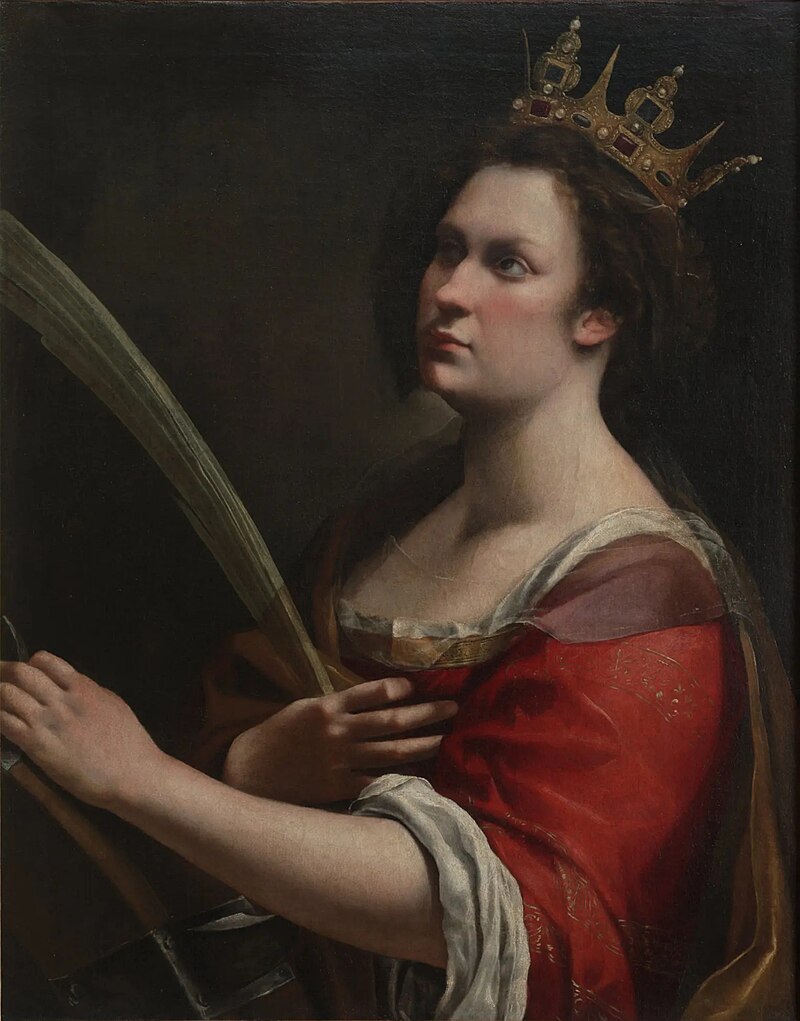
Artemisia Gentileschi was born on July 8, 1593, in Rome, Italy. She was one of the most accomplished and influential artists of the Baroque period (Baroque painting often dramatizes scenes using chiaroscuro light effects). Despite facing numerous challenges in a male-dominated society, she managed to carve out a successful career and leave an indelible mark on the art world.
Who was she? Let’s find out.
Early Life
Artemisia Gentileschi was born into an artistic family. Her father Orazio Gentileschi was a well-known painter himself. She showed early promise in art and began her apprenticeship under her father’s guidance and by the age of 15, she was already producing professional work.
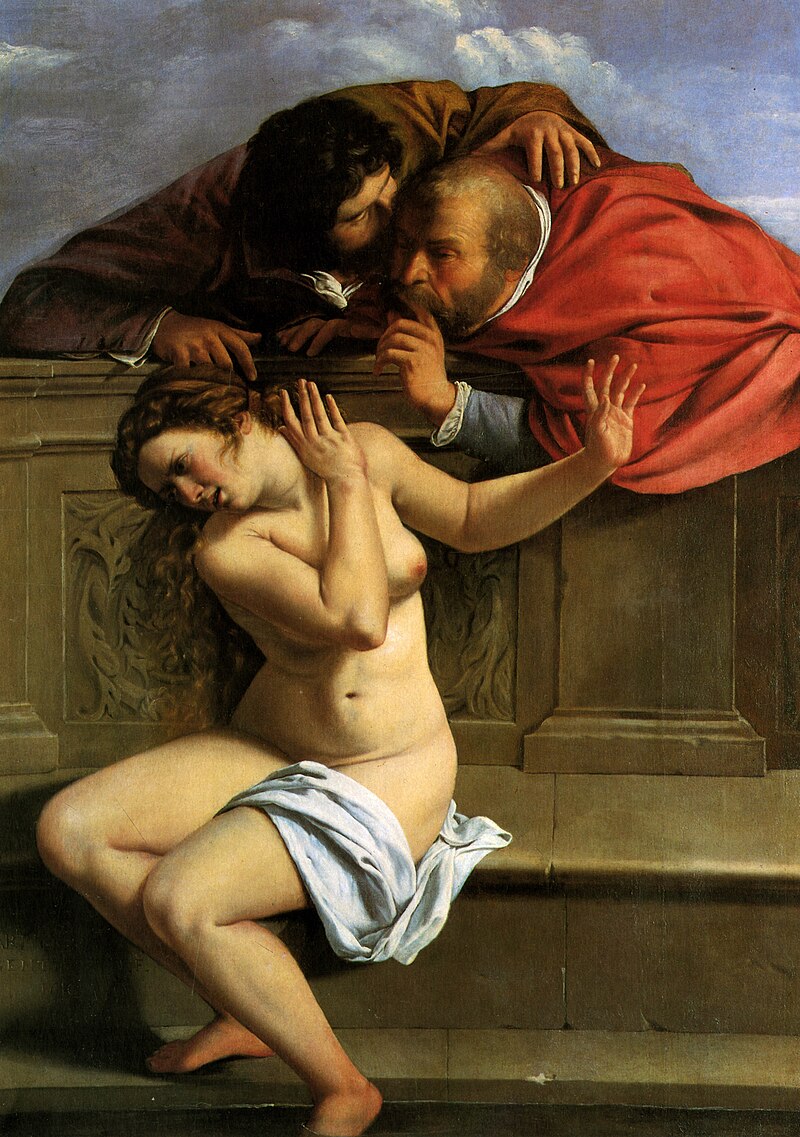
One of her earliest masterpieces, “Susanna and the Elders,” was completed when she was just 17 years old. This painting featured a full-frontal nude in a biblical scene, showcasing Artemesia’s exceptional talent and daring approach. This was a bold choice for a female artist during the Counter-Reformation era.
Trauma that shaped her life
This is one of the most horrifying things that can happen to any woman. At the age of 18, Gentileschi was raped by one of her father’s colleagues, Agostino Tassi. Another man, Cosimo Quorli, played a part in the rape. A female friend of Gentileschi, Tuzia, was present during the rape, but refused to help her. This traumatic event had a profound impact on her life and work.
Artemisia thought that Tassi would marry her after the rape but he did not. Nine months after the rape, when he learned that Artemisia and Tassi were not going to be married, her father Orazio pressed charges against Tassi, resulting in a highly publicised trial that lasted several months. Gentileschi was even tortured to give evidence during his trial. Although Tassi was eventually exiled from Rome, the order was never enforced.
Artistic Career
Despite the trauma she endured, or perhaps because of it, Gentileschi persevered and went on to have a remarkable career. In an era when women had few opportunities to pursue artistic training or work as professional artists she became the first woman to be accepted into the prestigious Accademia di Arte del Disegno in Florence. Her talent and skill earned her an international clientele, including commissions from powerful figures like Cosimo de’ Medici and King Philip IV of Spain.
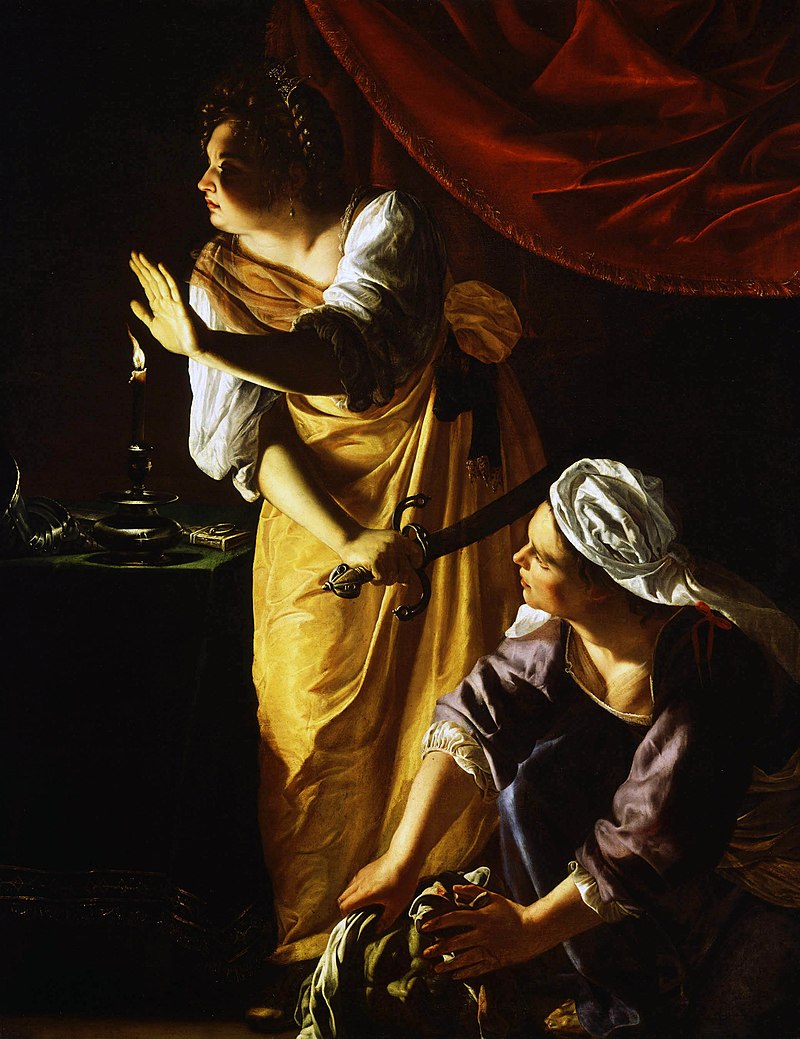
Gentileschi’s paintings often featured strong, assertive women from biblical and mythological stories. Her most famous works include multiple versions of “Judith Slaying Holofernes,” “Susanna and the Elders,” and “Judith and Her Maidservant”. These paintings showcased her mastery of chiaroscuro, realistic flesh tones, and dynamic compositions.


Throughout her career, Gentileschi traveled extensively, working in various Italian cities including Florence, Rome, Venice, and Naples. She even spent time in London, where she worked alongside her father on commissions for the English royal family.
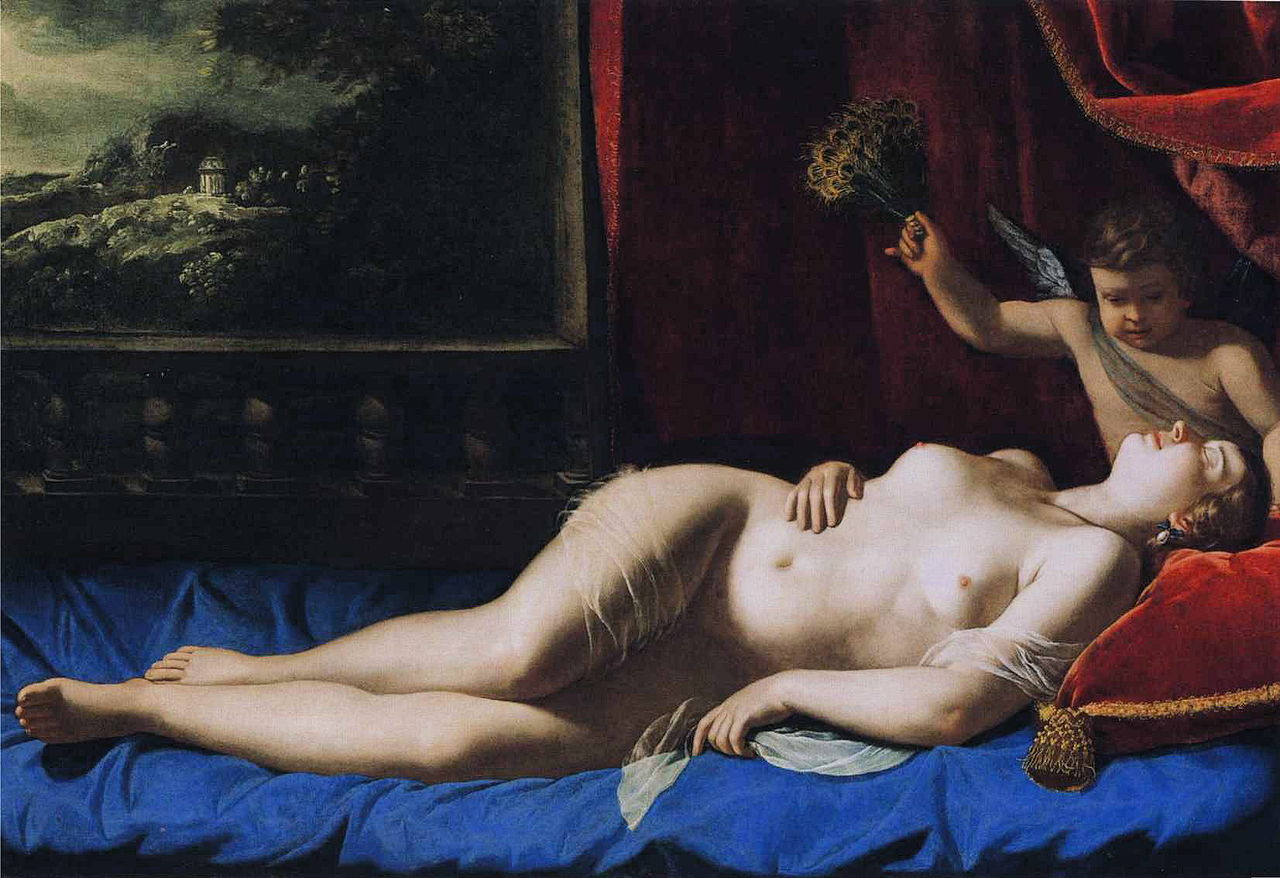
Artemisia Gentileschi’s work is characterised by its realism, dramatic use of light and shadow, and powerful portrayal of female figures. She often depicted women as self-motivated heroines capable of making their own decisions, subverting traditional representations of female biblical and mythological characters. Many art historians believe that themes of abuse of authority, rape, and violence in her paintings were influenced by her personal experiences. However, it’s important to note that her work goes beyond mere autobiographical interpretation, showcasing her exceptional skill as an artist and her ability to bring new perspectives to familiar stories.
Hypatia – Greek Philosopher Mathematician Astronomer Killed By Fanatics
Artemisia’s Art
Artemisia Gentileschi’s Judith Slaying Holofernes (painted between 1614-1620) is a striking Baroque masterpiece that powerfully subverts traditional depictions of the biblical story. Unlike earlier, more restrained versions by male artists, Gentileschi presents Judith as an active, determined figure, dynamically engaged in the brutal act of beheading Holofernes. Her use of dramatic chiaroscuro, influenced by another artist, Caravaggio, heightens the intensity, while the lifelike struggle and visceral realism reflect the artist’s personal experiences, often interpreted through a feminist lens. The composition’s diagonal tension and strong female presence make it one of the most compelling depictions of female agency in art history. Her overall work often challenged traditional gender roles, portraying women not as passive subjects but as figures of power, resilience, and defiance. Artemisia’s compositions had emotional depth and physical dynamism, making her one of the most significant Baroque painters and a pioneering female artist in a male-dominated field.


Legacy and Rediscovery
Despite her success during her lifetime, Gentileschi’s work was largely forgotten after her death, which is believed to have occurred around 1656. Many of her paintings were misattributed to her father or other male artists.
It wasn’t until the early 20th century that Gentileschi’s work began to be rediscovered and properly attributed. In 1916, art historian Roberto Longhi published an essay that distinguished Artemisia’s work from her father’s and acknowledged her as an outstanding figure in Italian art. This marked the beginning of a renewed interest in her life and work.
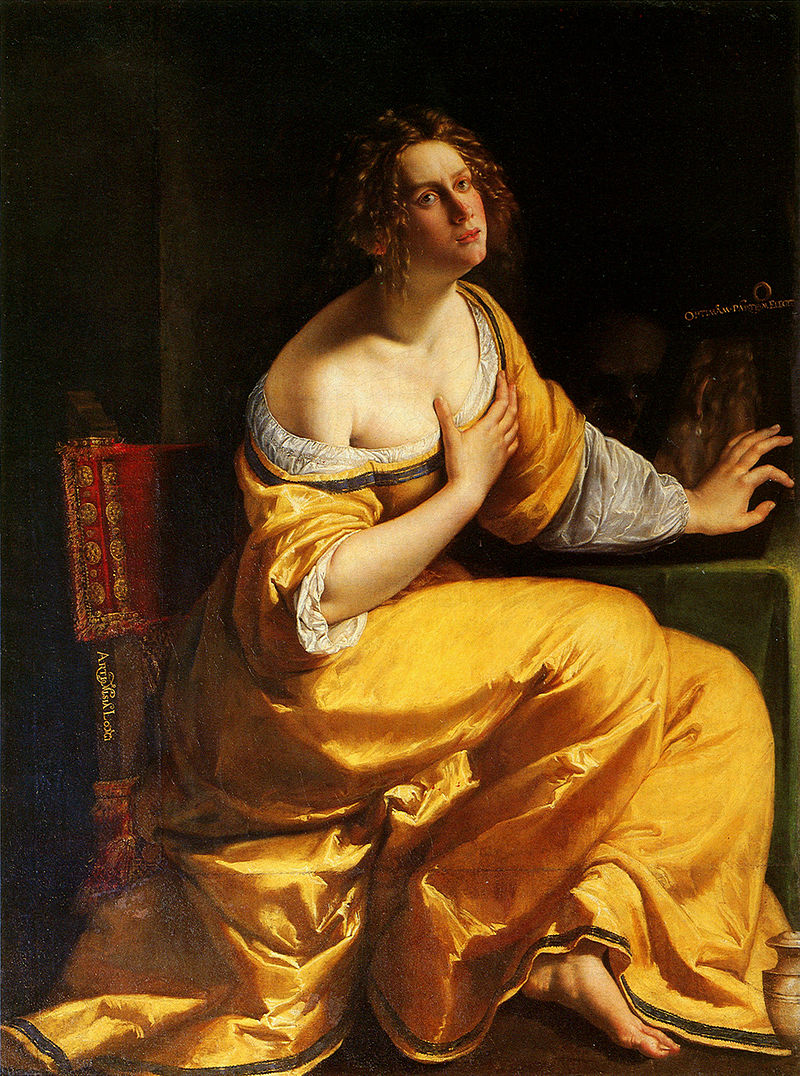
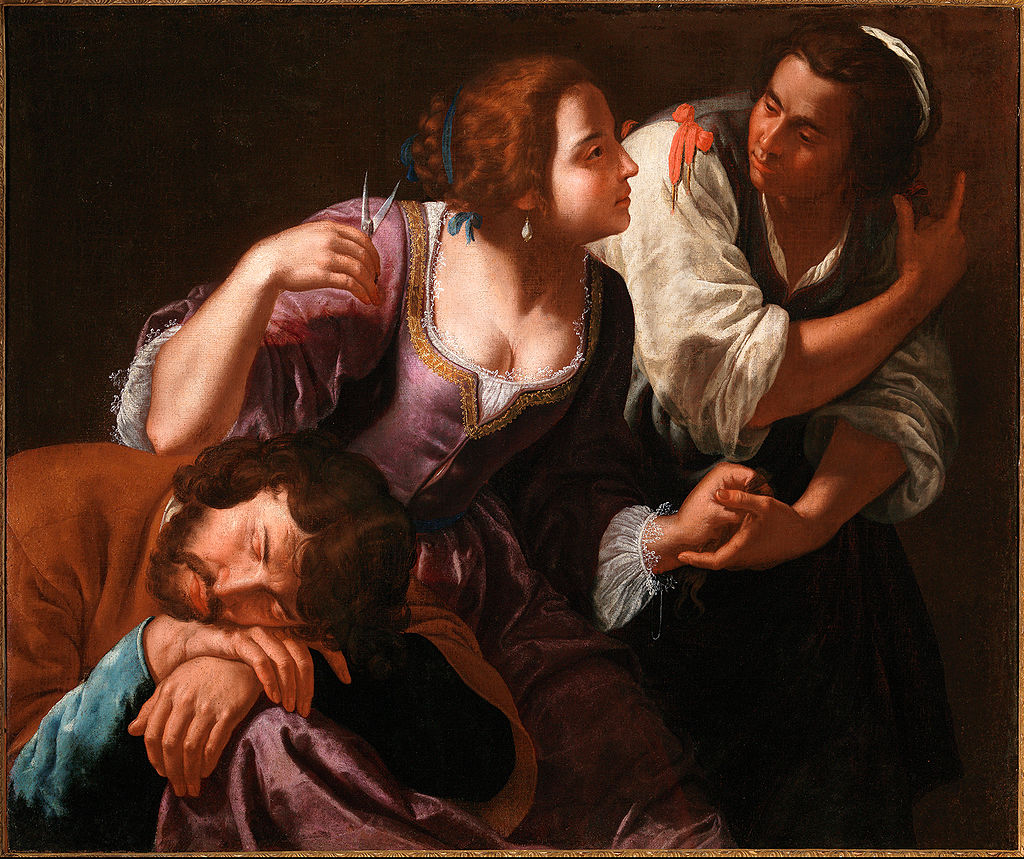
Since then, Gentileschi has been recognised as one of the most important artists of the Baroque period. Her life and work have been the subject of numerous books, articles, and exhibitions. In recent years, she has been celebrated not only for her artistic achievements but also as a symbol of resilience and female empowerment.
Fantastic Women Series l Cynethryth: Queen of Mercia
Not only does Artemisia Gentileschi’s work continue to captivate people everywhere, she is exceptional because she not only overcame societal barriers to become one of the most renowned artists of her time, she also overcame severe trauma. Her paintings, with their powerful depictions of women and masterful technique are definitely a sight to behold.
We are just beginning to reassess and celebrate the contributions of women throughout history. In these new acknowledgments, Artemisia Gentileschi stands out: as a pioneering figure whose work challenged conventions and paved the way for future generations of female artists and as a woman who prevailed over severe trauma.