The Seven Wonders of the World is a famous list of extraordinary constructions that have captivated our imagination for millennia and represent the pinnacle of ancient architectural and engineering achievements.
What many people may not know is that there was an original list of seven ancient wonders of the world from antiquity. Originally compiled in the 2nd century BCE, this classical list included awe-inspiring structures from the Mediterranean and Middle Eastern regions, such as the Great Pyramid of Giza and the Hanging Gardens of Babylon.
However, most of these ancient wonders no longer exist, having been destroyed over the years, so a new list was created in 2007 through a global voting campaign. This modern compilation, known as the New Seven Wonders of the World, showcases remarkable human-made marvels from various cultures and time periods, including the Great Wall of China, Petra in Jordan, and the Taj Mahal in India. These extraordinary sites continue to inspire wonder and serve as testaments to human ingenuity, artistic vision, and cultural significance across the globe.
These are the new seven wonders of the world, a list of which was compiled after a campaign was started to choose ‘Wonders of the World’ from a selection of 200 existing monuments. This campaign started in 2001 and the winners were announced in 2007, with over 100 million votes cast. Even though the poll was considered unscientific due to multiple voting, and drew official reactions from countries, the list still exists and showcases some of the most amazing constructions in the world. They represent a diverse range of cultures, historical periods, and architectural achievements across different continents.
Great Wall of China (China)
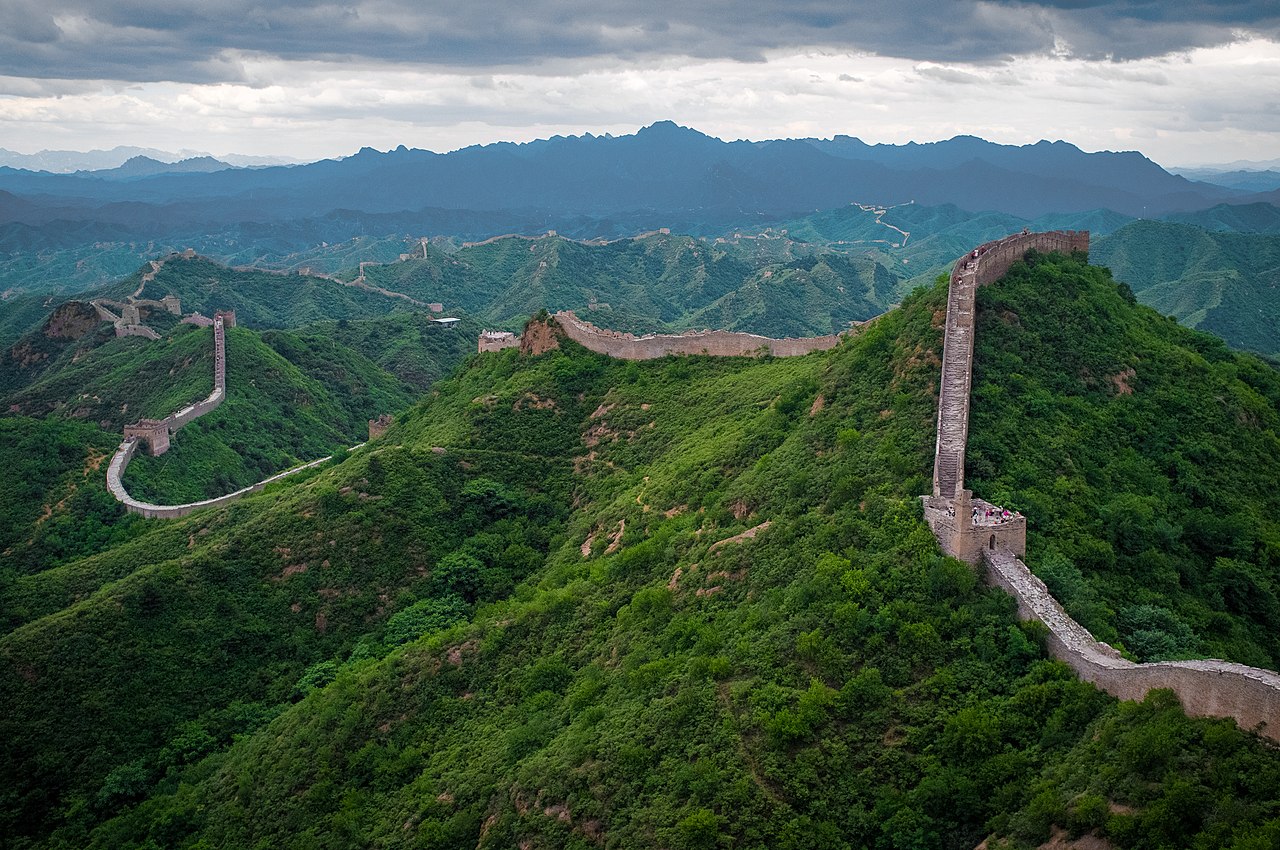
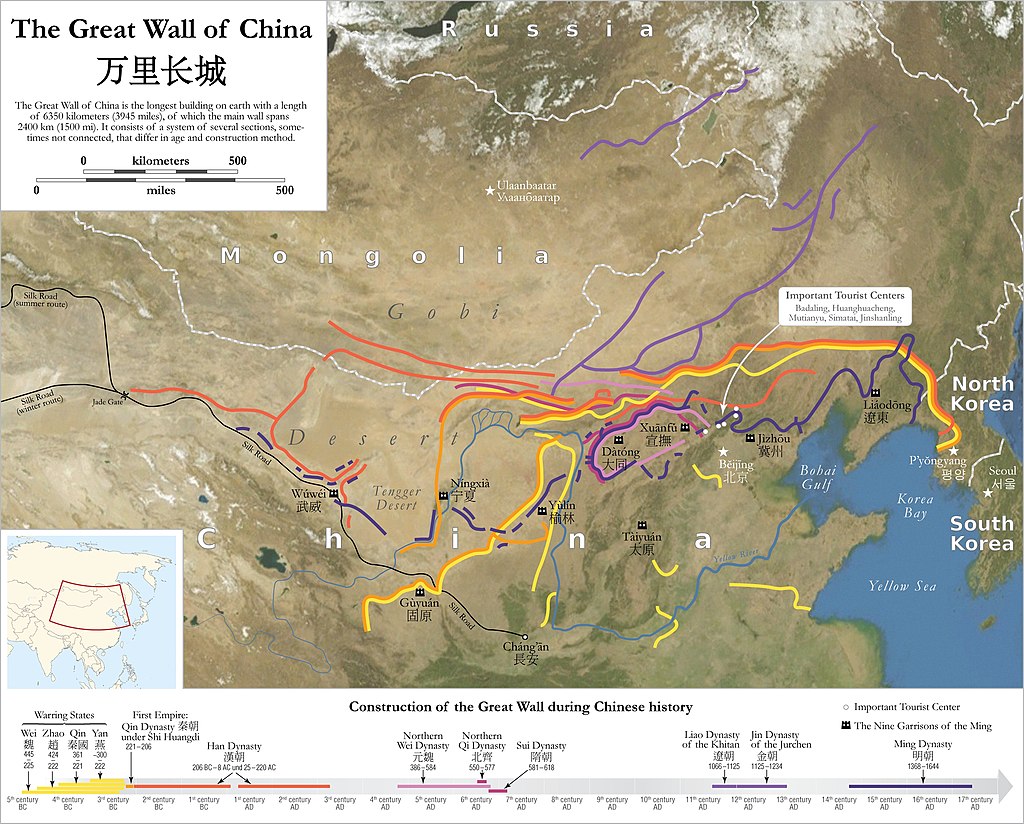
This massive fortification, stretching over 21,000 kilometers, was built over centuries to protect Chinese states and empires. The series of fortifications were built across the historical northern borders of ancient Chinese states and Imperial China, as protection against various nomadic groups from the Eurasian Steppe. Several walls were built from as early as the 7th century BC, with selective stretches later joined by Qin Shi Huang (220-206 BC), the first emperor of China. Little of the Qin wall remains. Later on, many successive dynasties built and maintained multiple stretches of border walls. The best-known sections of the wall were built by the Ming dynasty (1368-1644).
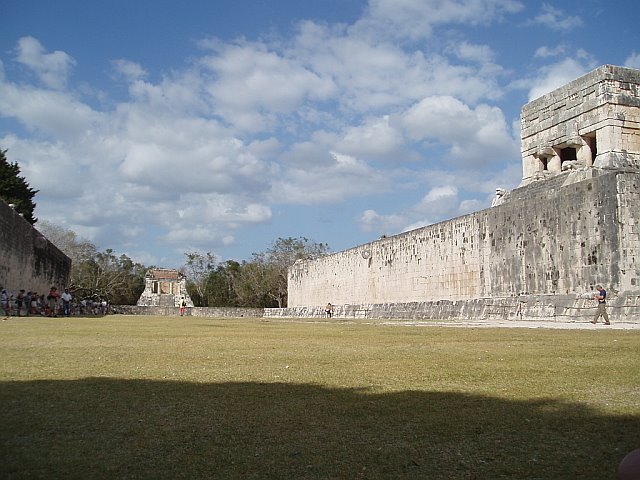
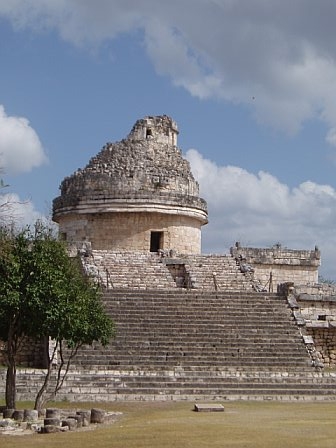
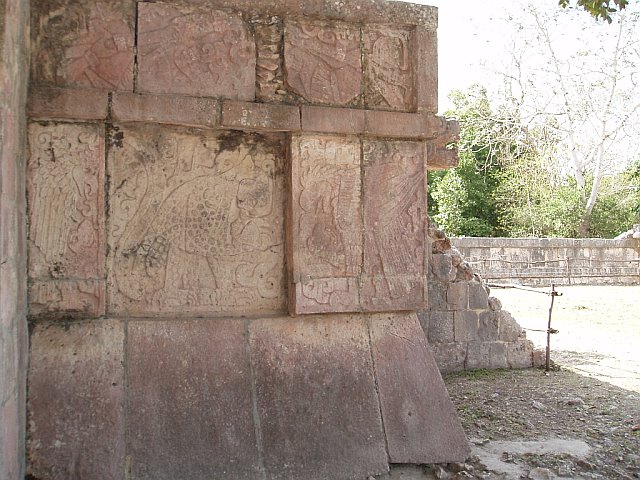
Chichen Itza (Mexico)
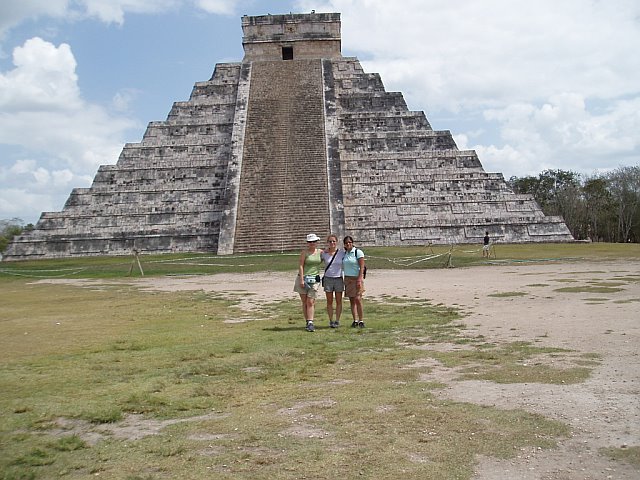
A pre-Columbian city built by the Maya civilization, known for its step-pyramid El Castillo and other impressive structures. ChichÁ©n ItzÁ¡ was one of the largest Mayan cities and it was likely to have been one of the mythical great cities, or Tollans, referred to in later Mesoamerican literature. The city may have had the most diverse population in the Maya world, a factor that could have contributed to the variety of architectural styles at the site.
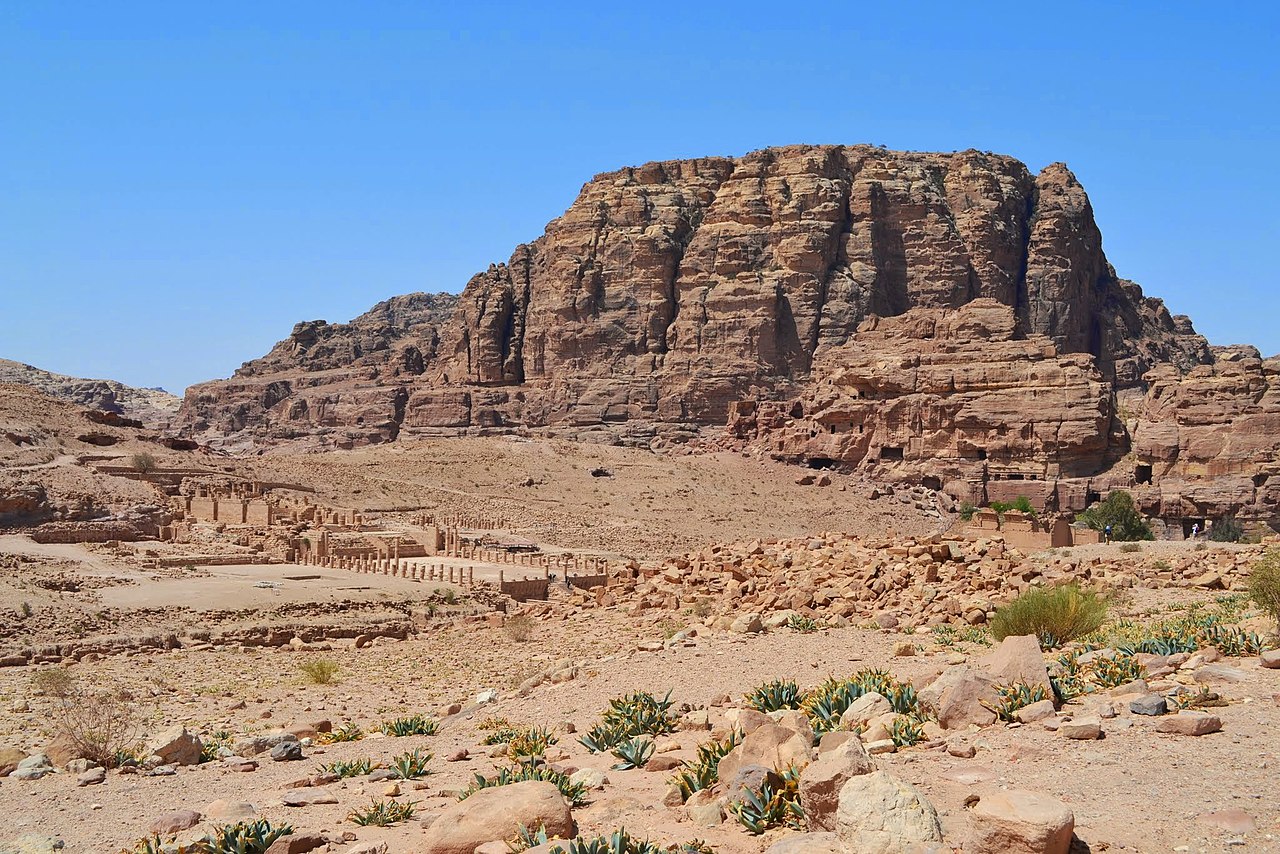
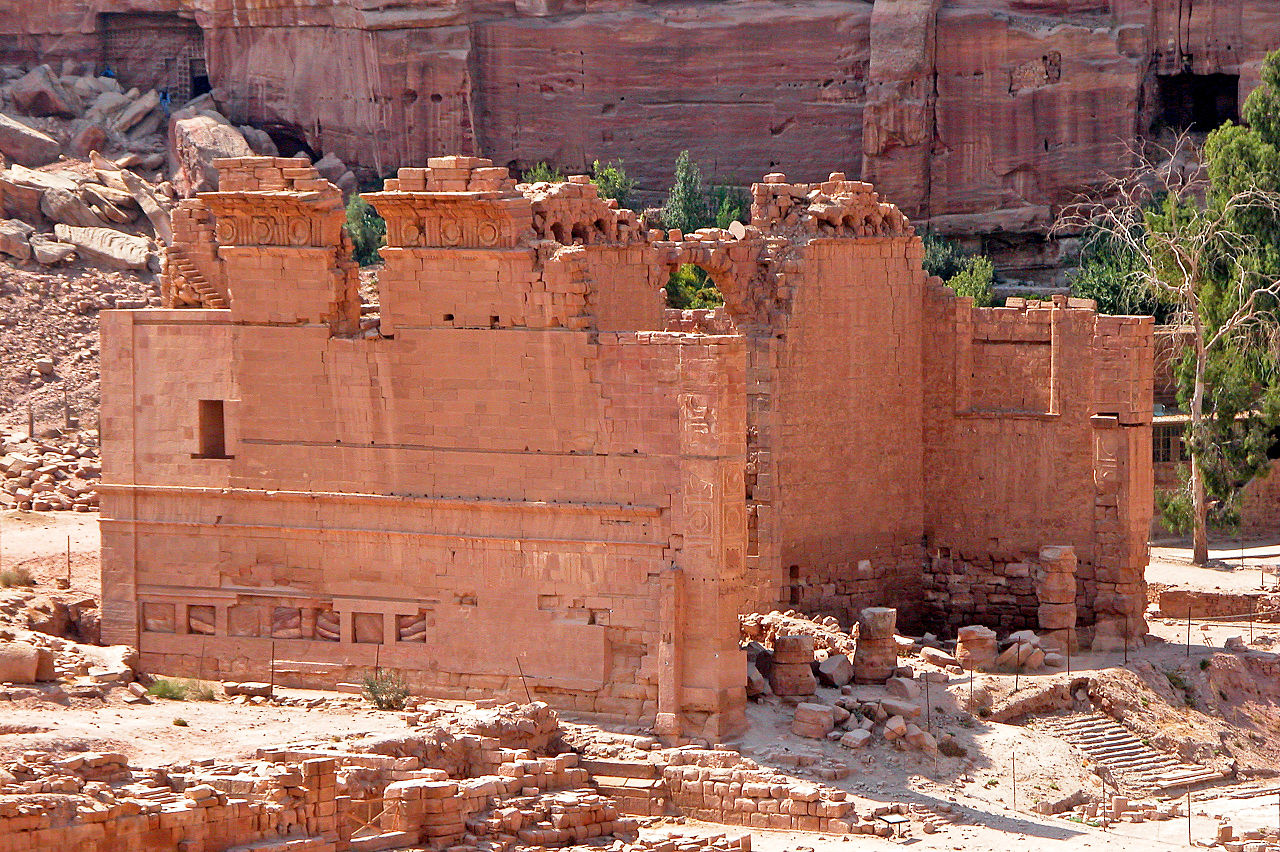
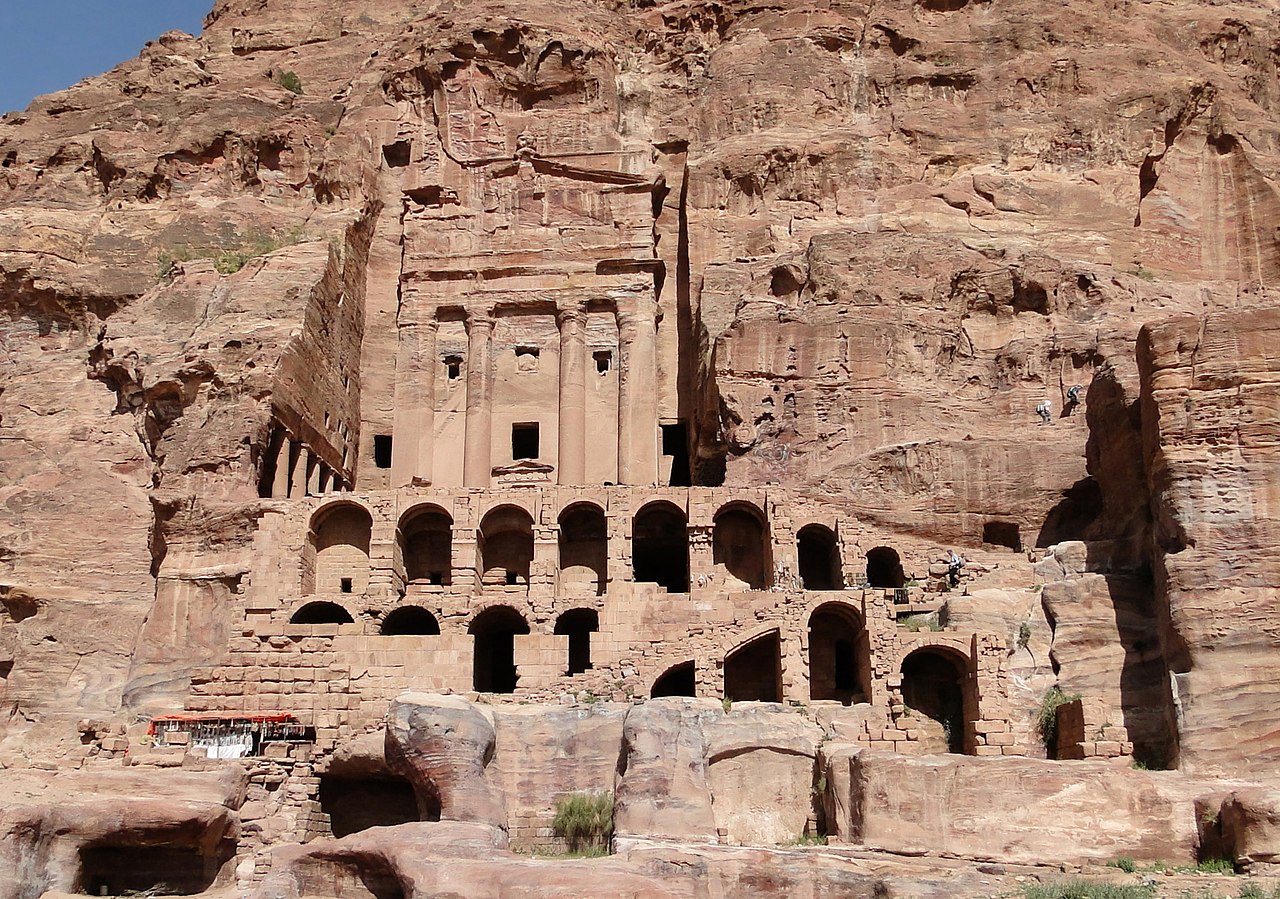
Petra (Jordan)
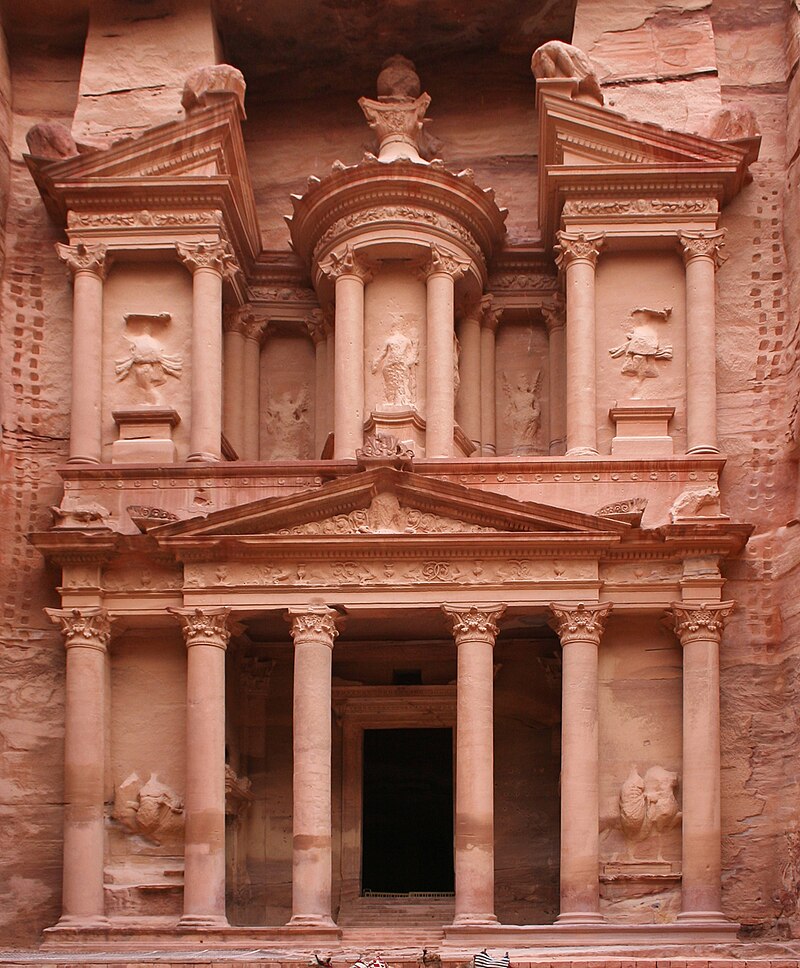
An ancient city famous for its rock-cut architecture, particularly the Treasury (Al-Khazneh), carved into a sandstone cliff face. This historic and archaeological city is in southern Jordan, and is famous for its rock-cut architecture and water conduit system, Petra is also called the “Rose City” because of the colour of the sandstone from which it is carved. The city is a UNESCO World Heritage Site. The area around Petra has been inhabited from as early as 7000 BC, settled by the Nabataeans, a nomadic Arab people, in the 4th century BC. Petra would later become the capital city of the Nabataean Kingdom in the second century BC. The Nabataeans invested in Petra’s proximity to the incense trade routes by establishing it as a major regional trading hub, which gained them considerable revenue.

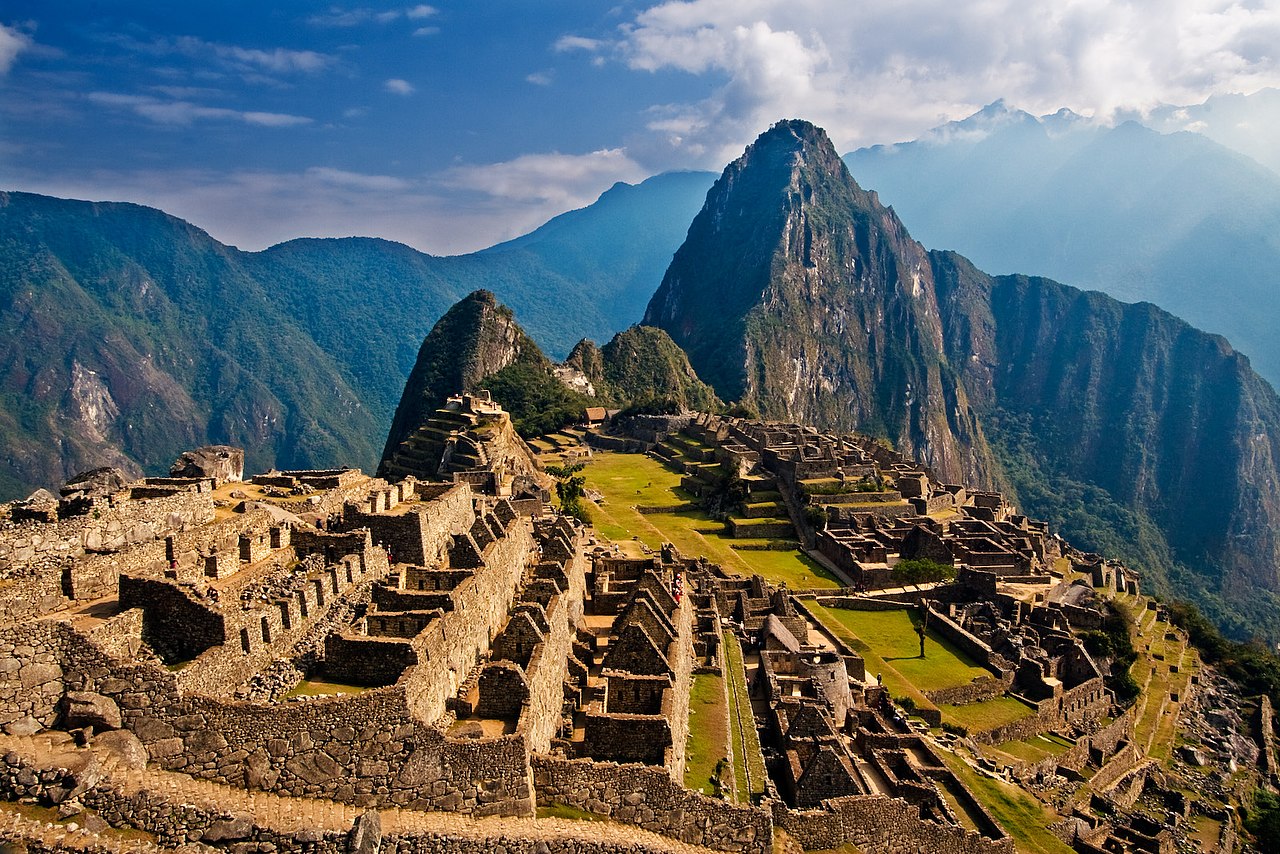
Machu Picchu (Peru)
This is an Incan citadel set high in the Andes Mountains, known for its sophisticated dry-stone walls and panoramic views. The 15th-century Inca citadel located in southern Peru on a 2,430-meter (7,970 ft) mountain ridge. Often referred to as the “Lost City of the Incas”, it is the most familiar icon of the Inca Empire. It was built around 1450 but abandoned it a century later, at the time of the Spanish conquest. According to the new AMS radiocarbon dating, it was occupied from c. 1420-1532. Historical research published in 2022 claims that the site was probably called Huayna Picchu by the Inca people themselves, as it exists on the smaller peak of the same name.
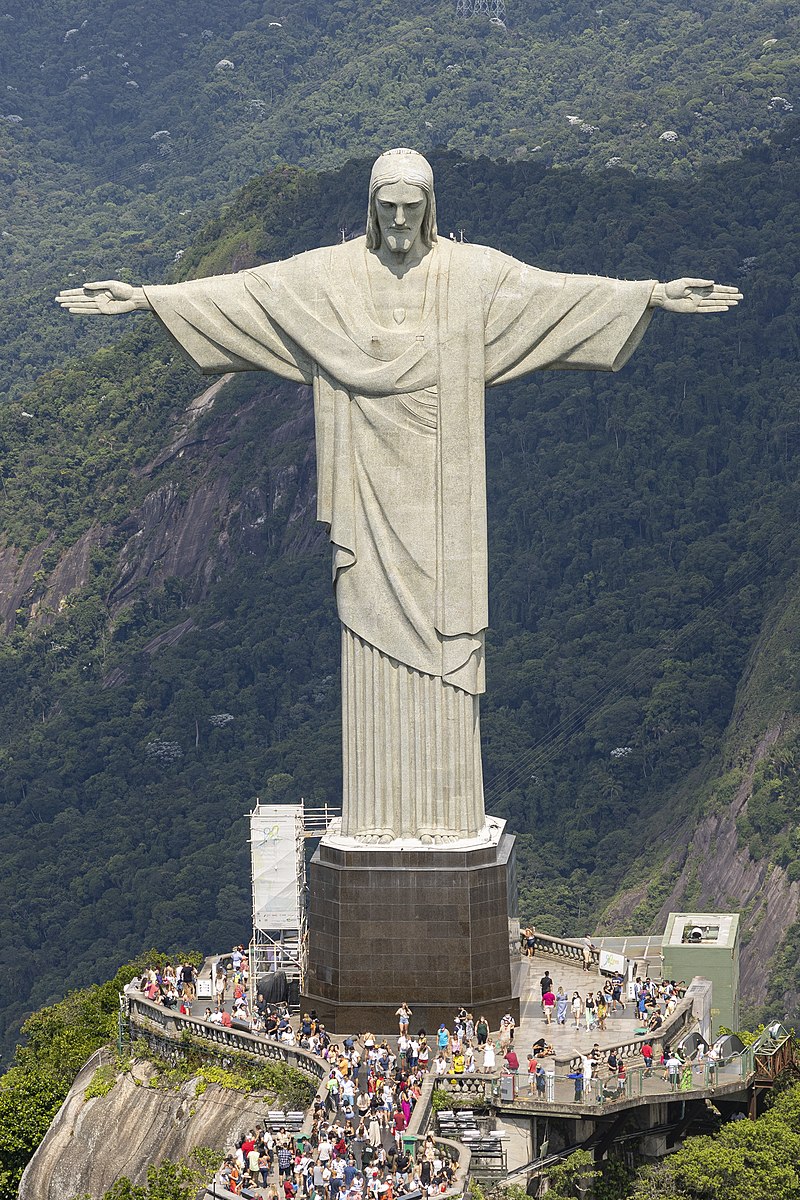
Christ the Redeemer (Brazil)
A colossal statue of Jesus Christ atop Corcovado Mountain in Rio de Janeiro, standing 30 meters tall with its arms stretching 28 meters wide. It was created by French-Polish sculptor Paul Landowski and built by Brazilian engineer Heitor da Silva Costa, in collaboration with French engineer Albert Caquot. Romanian sculptor Gheorghe Leonida sculpted the face. It was constructed between 1922 and 1931 and weighs 635 metric tons.
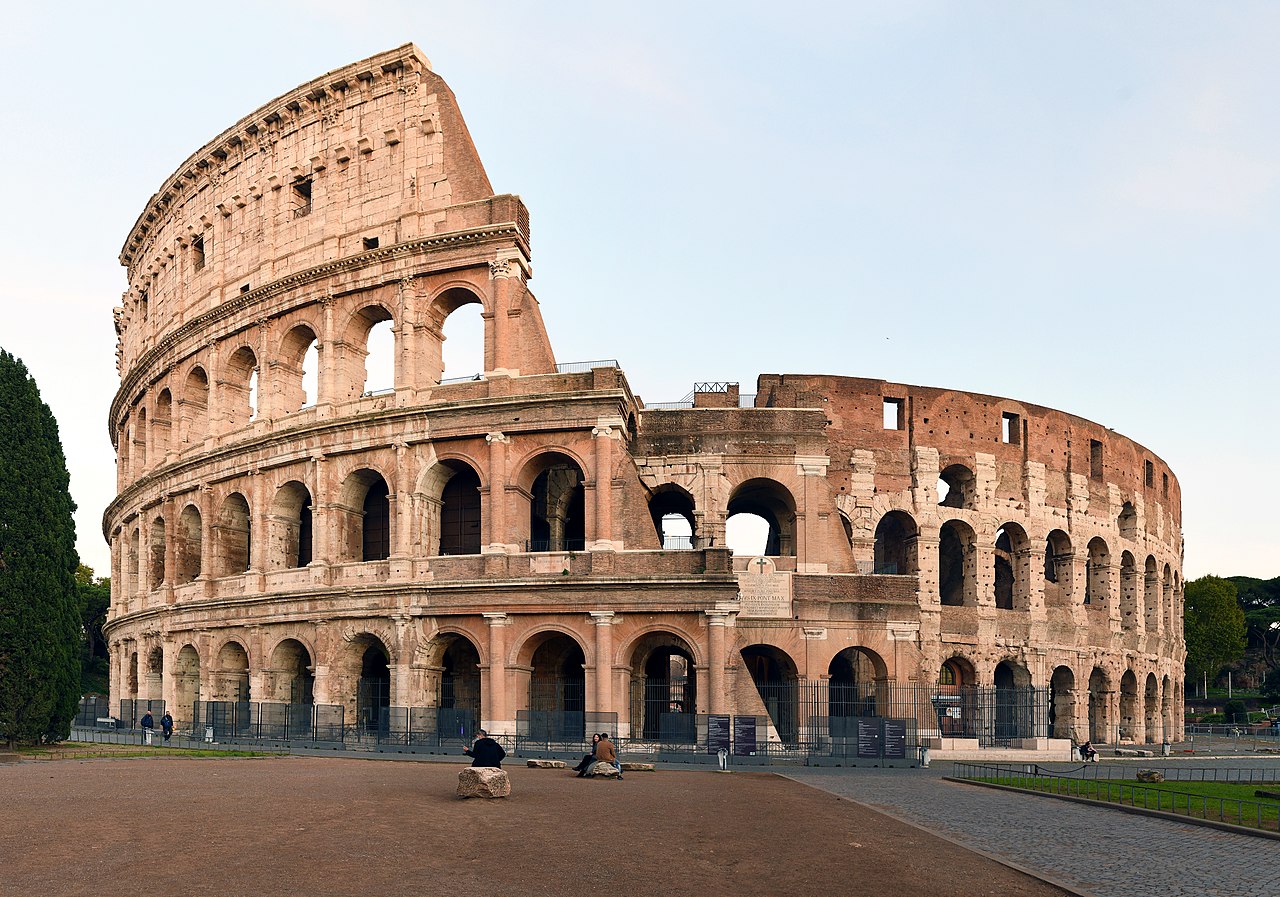
Colosseum (Italy)
An iconic amphitheater in Rome, built in the 1st century AD, once used for gladiatorial contests and public spectacles, the colosseum lies in the centre of the city of Rome, Italy. It is the largest ancient amphitheatre ever built, and is still the largest standing amphitheatre in the world. Construction began under the Emperor Vespasian (r. 69-79 AD) in 72 and was completed in AD 80 under his successor and heir, Titus (r. 79-81). Further modifications were made during the reign of Domitian (r. 81-96). The three emperors who were patrons of the work are known as the Flavian dynasty, and the amphitheatre was named the Flavian Amphitheatre.
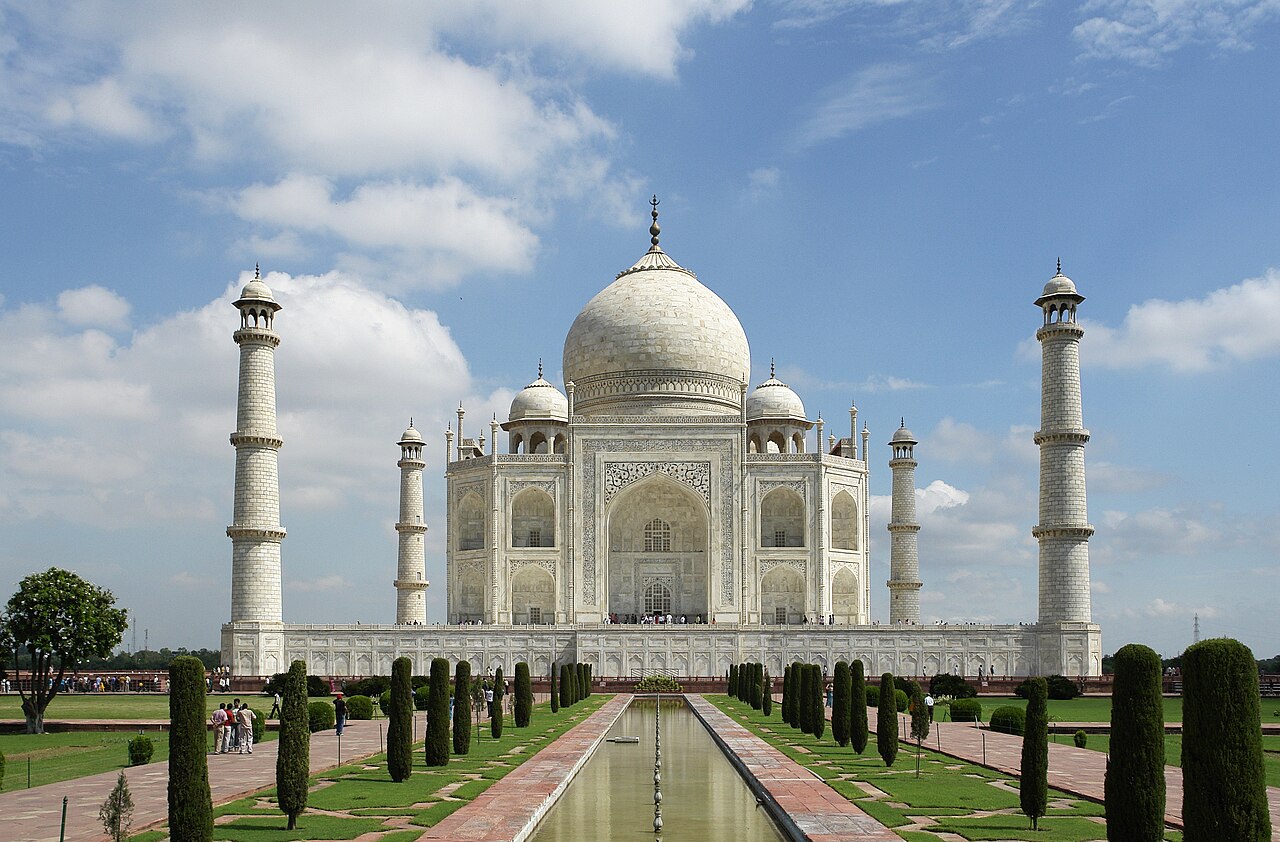
Taj Mahal (India)
A stunning ivory-white marble mausoleum in Agra, built by Mughal Emperor Shah Jahan in memory of his wife Mumtaz Mahal. The name translates to ‘Crown of the Palace‘. It was commissioned in 1631 by the fifth Mughal emperor, Shah Jahan (r. 1628-1658) to house the tomb of his beloved wife, Mumtaz Mahal; it also houses the tomb of Shah Jahan himself. The tomb is the centrepiece of a 17-hectare (42-acre) complex, which includes a mosque and a guest house, and is set in formal gardens bounded on three sides by a crenellated wall. Construction of the mausoleum was completed in 1648, but work continued on other phases of the project for another five years. The first ceremony held at the mausoleum was an observance by Shah Jahan, on 6 February 1643, of the 12th anniversary of the death of Mumtaz Mahal. The Taj Mahal complex is believed to have been completed in its entirety in 1653 at a cost estimated at the time to be around ₹5 million, which in 2023 would be approximately ₹35 billion (US$77.8 million).
It’s worth noting that in some sources, an eighth wonder has been added to this list:
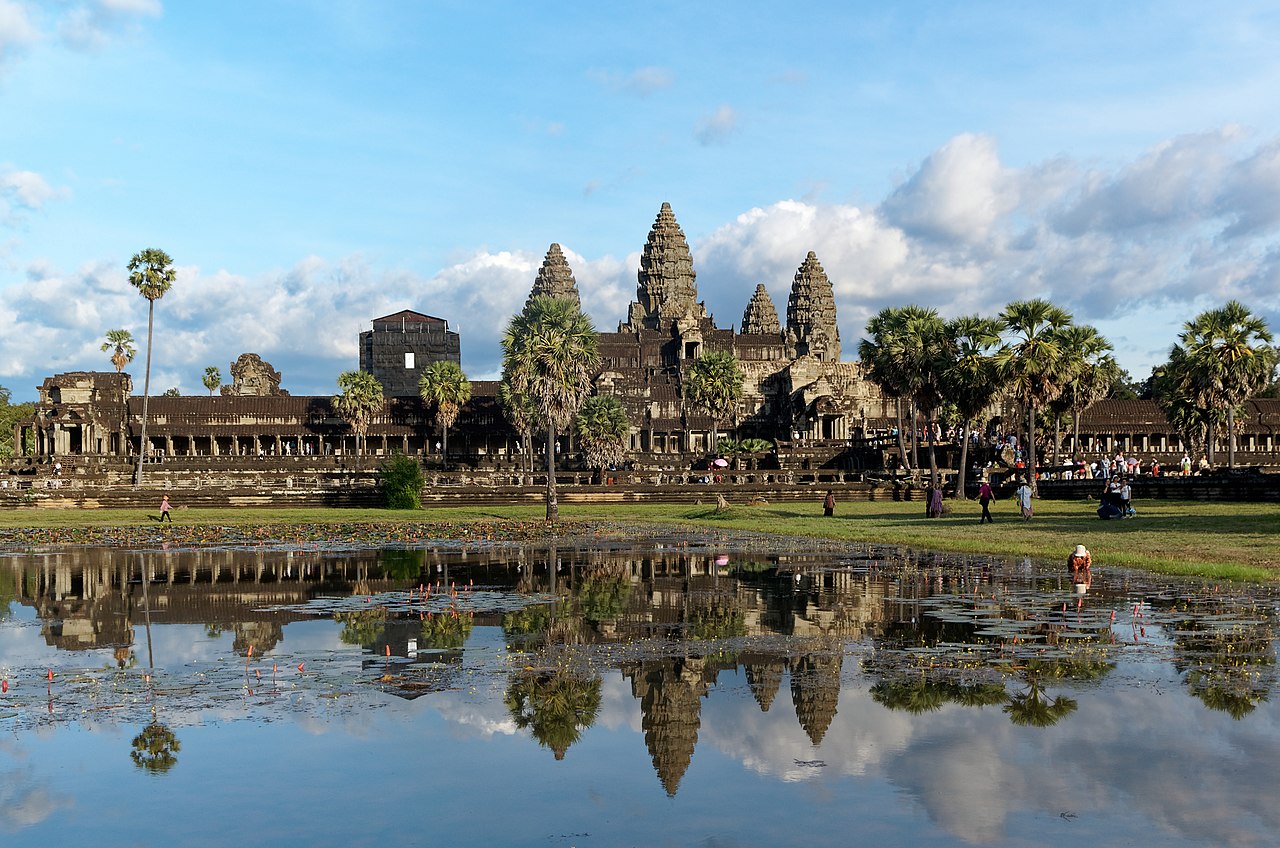
Angkor Wat (Cambodia)
The largest religious monument in the world, originally constructed as a Hindu temple dedicated to Vishnu, it later became a Buddhist site. This Hindu-Buddhist temple complex in Cambodia, is located on a site measuring 162.6 hectares (1,626,000 m2; 402 acres) within the ancient Khmer capital city of Angkor, and is considered the largest religious structure in the world by Guinness World Records. It was commissioned by Khmer king Suryavarman II in the early 12th century in YaŠ›odharapura (present-day Angkor), the capital of the Khmer Empire, as his state temple and eventual mausoleum.
These wonders are all accessible to the public, though some may require special arrangements or permits due to their protected status. They continue to inspire awe and attract millions of visitors each year, serving as testaments to human creativity, engineering prowess, and cultural significance.